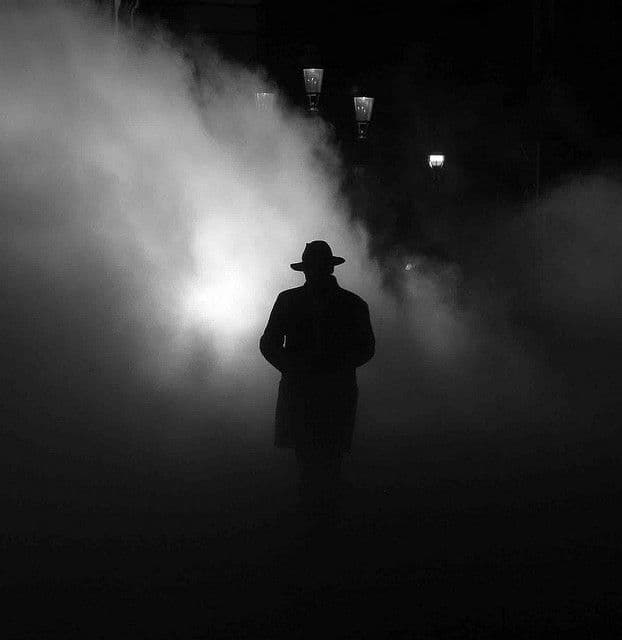
Faceless Stranger Dream Meaning: Unmask Your Hidden Self
Introduction: Unmasking the Mystery of the Faceless Stranger Dream
Dreams are the nocturnal language of the soul, intricate tapestries woven from our deepest fears, desires, and unacknowledged truths. Among the myriad symbols that emerge from the unconscious, the dream of a faceless stranger holds a particularly potent and often unsettling power. This enigmatic figure, devoid of distinguishing features, can evoke a primal sense of unease, confusion, or even profound curiosity.
As a Jungian psychologist and dream analyst, I recognize this dream as far more than a mere fleeting image. It is a profound invitation from the depths of your psyche, a summons to explore uncharted territories within your inner world. Understanding the **meaning of a faceless stranger in a dream** can unlock significant insights into your psychological landscape and spiritual journey.
Why This Dream Demands Deeper Exploration
The absence of a face in a dream is not a void, but a canvas awaiting projection. It strips away the superficial, forcing us to confront the essence of the encounter. This dream demands deeper exploration precisely because it bypasses conventional recognition, pushing us beyond our conscious understanding of self and other.
It acts as a powerful mirror, reflecting aspects of our identity, our fears of the unknown, and the unintegrated potentials that reside within. To dismiss this dream is to ignore a vital message from your unconscious mind, a message that holds keys to greater self-awareness and personal growth. The **faceless person dream** serves as a potent catalyst for introspection.
The Core Psychological Interpretations: A Journey Into the Unconscious
From a psychological perspective, particularly through the lens of Jungian thought, the **faceless person dream** is rich with symbolic meaning. It speaks directly to the structure of the psyche, revealing hidden dynamics and calling for conscious engagement.
The Faceless Stranger as Your Shadow Self (Jungian Perspective)
One of the most compelling Jungian interpretations of the faceless stranger points directly to the **shadow self dream meaning**. The Shadow, as conceptualized by Carl Jung, comprises all the aspects of our personality that we have disowned, repressed, or simply remain unconscious to us. These can be negative traits we deem unacceptable, but also positive potentials we have not yet developed.
The facelessness of the figure is highly symbolic here. It represents the undifferentiated, unacknowledged nature of these aspects. They lack a defined "face" because they have not been brought into the light of conscious awareness and integrated into our known identity. Encountering this figure is an urgent call for introspection, inviting us to acknowledge and integrate these hidden parts rather than letting them operate autonomously from the dark corners of our psyche.
The dream of a faceless stranger is a potent symbol from the unconscious, often representing the **shadow self** in Jungian psychology. This figure embodies aspects of your personality that remain unknown, unacknowledged, or even rejected. Its lack of a distinct face suggests these parts are not yet integrated into your conscious identity, existing in a raw, undifferentiated state. This could be a hidden talent, a repressed emotion, or a trait you deem undesirable. Encountering this **faceless person dream** is an invitation to confront and integrate these dormant elements, fostering greater psychological wholeness. It is a profound call to delve into the depths of your inner landscape, transforming potential fear into an opportunity for authentic self-discovery and growth. The **meaning of faceless stranger in dream** often points to an urgent need for internal reconciliation and the conscious assimilation of these unrecognized facets of your being.
Representing Unknown or Repressed Aspects of Your Personality
Beyond the Shadow, the faceless stranger can symbolize a broader spectrum of **unknown parts of self**. These might include nascent talents, unexpressed desires, or even future potentials that are stirring within you but have not yet taken a concrete form. The dream is a precursor, showing you something that is on the verge of emerging but has not yet fully materialized into conscious recognition.
Repressed emotions or experiences that you have pushed away can also manifest as this enigmatic figure. The unconscious mind uses this symbol to bring these buried contents to your attention, urging you to confront and process what has been hidden. The dream of an **unknown person** in this context serves as a psychological prompt for internal excavation.
Confronting Feelings of Anonymity or Lack of Identity
In a world that often demands conformity or a clearly defined persona, the faceless stranger can be a direct reflection of your own feelings regarding identity. If you are experiencing a period of transition, self-doubt, or a sense of being lost, this dream can highlight your struggle to define who you are.
It may symbolize a feeling of being unseen, unheard, or lacking a distinct presence in your waking life. This can manifest as an **identity crisis dream interpretation**, urging you to reclaim your uniqueness and assert your authentic self against the pressures of the external world.
The Dream as a Mirror to Your Inner World
Ultimately, the faceless stranger serves as a powerful mirror, reflecting the intricate landscape of your inner world. It is a projection of your own psyche, an internal figure that carries meaning specific to your individual journey. The emotional tone of the dream—whether fear, curiosity, or indifference—provides crucial clues to the nature of what is being reflected.
By engaging with this dream, you are engaging with yourself. It asks you to look beyond the superficial and delve into the deeper currents of your being, where true self-discovery awaits.
Spiritual and Metaphysical Meanings: Beyond the Veil of the Known
Beyond the personal psychological interpretations, the dream of a faceless stranger also resonates with profound spiritual and metaphysical meanings. It can be a bridge to understanding our connection to something larger than ourselves, a call from the deeper currents of existence.
Connecting with the Universal Unconscious or Collective Consciousness
From a spiritual perspective, the faceless stranger can be a symbol of the Universal Unconscious, Jung's concept of the Collective Unconscious, or even the Akashic records. This figure may represent an archetypal energy or a collective pattern that is trying to surface within your individual consciousness. It connects you to the shared experiences and wisdom of humanity, transcending personal boundaries.
The lack of a specific face emphasizes its universal nature, suggesting a message that is not tied to any single individual but rather to a broader human truth or spiritual principle. These **spiritual meaning of faceless dreams** often signify a yearning for deeper connection or understanding.
A Call to Explore Uncharted Spiritual Territories
This dream can also serve as a powerful omen or invitation to explore uncharted spiritual territories. If you have been feeling a pull towards new spiritual practices, philosophies, or a deeper quest for meaning, the faceless stranger may be a harbinger of this journey.
It represents the unknown path, the spiritual quest that requires courage to step beyond the familiar. The dream encourages you to embrace the mystery, to surrender to the process of discovery without needing all the answers upfront. It's about trusting the journey into the unknown.
The Faceless Figure as a Guide or Messenger
Despite its potentially unsettling appearance, the faceless figure need not be perceived as a threat. In many spiritual traditions, beings without specific forms are often revered as guides, messengers, or even nascent deities. This figure could be an internal guide, an aspect of your higher self, or a spiritual entity attempting to impart wisdom or direction.
Its facelessness implies impartiality, a pure message uncolored by personality. It serves to draw your attention to a truth or guidance that transcends personal biases. Pay attention to the actions of the figure and your emotional response to discern its guiding purpose.
Cultural Symbolism: How Different Traditions View the Unknown
The symbolism of formless or faceless entities is deeply embedded across various cultures and historical periods, reflecting humanity's universal encounter with the unknown and the abstract nature of identity.
Ancient Interpretations of Formless Entities
In many ancient traditions, formless entities were often associated with primordial forces, spirits of the ancestors, or even nascent deities. These figures were not necessarily malevolent but represented the raw, unmanifested power of creation or the unseen forces that govern existence. Their lack of a defined face underscored their transcendence beyond human form and comprehension.
For example, certain shamanic cultures might interpret such a figure as a spirit animal or guide yet to reveal its full form, or an ancestor testing the dreamer's readiness for deeper wisdom. The emphasis was often on reverence and the potential for profound insight from the formless realm.
Modern Perspectives on Identity and the Self
In contemporary society, the dream of a faceless stranger can take on additional layers of meaning, particularly in relation to modern anxieties about identity. In an age of digital anonymity and shifting social roles, the faceless figure can symbolize a fear of losing one's individuality or becoming just another face in the crowd.
Conversely, it can also represent a yearning for authenticity, a desire to shed the masks we wear and connect with a more fundamental, unadorned self. The dream challenges us to confront societal pressures that can obscure our true identity, urging us to define ourselves from within rather than through external validation.
Practical Steps for Integration: Understanding and Responding to the Dream
Understanding the dream is only the first step. The true power lies in integrating its message into your waking life. Here are practical techniques to engage with the **dream of an unknown person** and harness its transformative potential.
Journaling and Active Imagination Techniques
- Dream Journaling: Immediately upon waking, record every detail of your dream. Focus on the setting, your emotions, the actions of the faceless stranger, and any words or feelings exchanged. This helps to solidify the dream in your conscious memory.
- Active Imagination: A Jungian technique, this involves re-entering the dream in your imagination while awake. Engage directly with the faceless stranger. Ask it questions: "Who are you?" "What do you want?" "What message do you have for me?" Allow images, feelings, or words to arise spontaneously. Do not try to control the interaction; simply observe and record the dialogue. This process can help bring unconscious content into conscious awareness.
Self-Reflection: What Parts of Yourself Feel Unseen or Unacknowledged?
The faceless stranger often points to aspects of yourself that are hidden. Take time for honest self-reflection:
- Are there talents or passions you've suppressed due to fear or external expectations?
- Do you have emotions (anger, sadness, joy) that you tend to push away or avoid expressing?
- Are there aspects of your past that you haven't fully processed or integrated?
- Do you feel a lack of recognition or a sense of not being fully seen by others in your life?
- Are you undergoing a period of significant change where your identity feels fluid or uncertain?
These questions can illuminate the "face" that the stranger is waiting to reveal, helping you understand the **stranger dream meaning** more deeply.
Embracing the Unknown: Growth Through Uncertainty
The dream of a faceless stranger is fundamentally an invitation to embrace the unknown, both within yourself and in your life. Instead of fearing what is undefined, cultivate a sense of curiosity and openness. Understand that true growth often occurs at the edges of our comfort zone, in spaces where certainty gives way to mystery.
Consciously choose to explore new ideas, take small risks, or engage with unfamiliar situations. This external embracing of the unknown can parallel the internal process of integrating the faceless aspects of your psyche, transforming potential apprehension into a powerful journey of self-discovery.
When to Seek Further Guidance: Beyond Self-Interpretation
While self-interpretation and personal reflection are powerful tools, there are instances when the insights of a trained professional can be invaluable. Dreams, particularly those as profound as the faceless stranger, can sometimes touch upon deeper psychological complexities that benefit from expert guidance.
Recognizing Recurring Patterns or Disturbing Themes
If the dream of the faceless stranger recurs frequently, especially with increasing intensity or distressing emotional content, it may indicate a persistent unconscious issue that requires professional attention. Similarly, if the dream is accompanied by overwhelming feelings of fear, anxiety, or despair that spill into your waking life, it's a strong signal to seek help.
A Jungian analyst or psychologist can help you navigate these deeper waters, providing a safe space to explore the dream's intricate layers, identify underlying psychological patterns, and guide you towards integration and healing. They can also help distinguish between a normal process of self-exploration and signs of deeper psychological distress, ensuring you receive appropriate support.
Conclusion: Embracing the Journey of Self-Discovery
The dream of a stranger with no face is not a nightmare to be feared, but a potent psychological and spiritual ally. It is the voice of your unconscious, urging you to look deeper, to acknowledge what has been hidden, and to embrace the vast, uncharted territories within your own being.
By engaging with this dream, you embark on a profound journey of self-discovery—a journey that promises greater wholeness, authenticity, and a richer understanding of who you truly are. The faceless stranger is ultimately a mirror, showing you the parts of yourself waiting to be seen, embraced, and integrated into the vibrant tapestry of your conscious life. Welcome its message, for it holds the key to your evolving self.
Frequently Asked Questions
What does a faceless person dream mean psychologically?
From a psychological perspective, particularly within Jungian analysis, dreaming of a faceless person is a profoundly symbolic experience. It most often represents the 'shadow self' – aspects of your personality that you have repressed, disowned, or simply remain unconscious. The lack of a distinct face signifies that these elements have not yet been brought into conscious awareness or integrated into your known identity. This could encompass unacknowledged talents, suppressed emotions like anger or sadness, or even potentials you haven't explored. Beyond the shadow, it can also symbolize broader unknown parts of yourself, such as nascent desires or future potentials stirring within. Furthermore, this dream might reflect feelings of anonymity, an identity crisis, or a struggle to define yourself in your waking life. It acts as a powerful mirror, urging you to confront and integrate these hidden facets, fostering greater psychological wholeness and self-awareness.
Is dreaming of a faceless stranger always a negative omen?
Not necessarily. While the initial feeling can be unsettling, a faceless stranger in a dream is rarely a purely negative omen. Instead, it's often an invitation for introspection and growth. It can symbolize unknown aspects of yourself waiting to be integrated, a call to explore new spiritual paths, or even a guide attempting to impart wisdom. The emotional tone of the dream and your interaction with the figure provide crucial clues to its true meaning, which is usually transformative rather than threatening.
How can I interpret my specific faceless stranger dream?
To interpret your specific dream, pay close attention to all its details. What was the setting? What emotions did you feel (fear, curiosity, calm)? What was the stranger doing, and how did you react? Journaling immediately upon waking can help capture these nuances. Consider what aspects of your waking life feel unknown, unacknowledged, or are undergoing transition. Engaging in active imagination, where you re-enter the dream consciously and ask the figure questions, can also reveal personalized insights into its message for you.
Want to discover the meaning of your dream?
Interpret My Dream